What heart patients should know about the coronavirus
By American Heart Association News


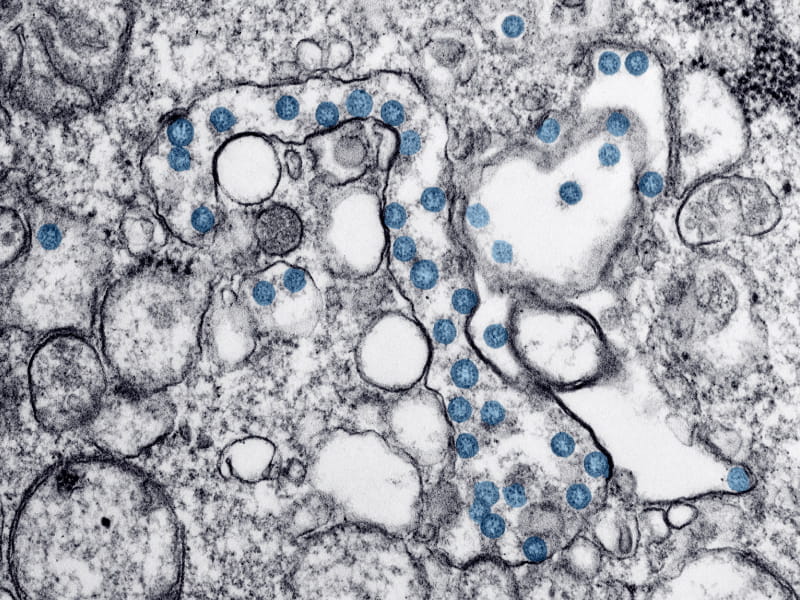
The coronavirus should have everyone's attention by now, health experts say. And people with heart disease have extra reasons to be alert(link opens in new window).
COVID-19, the disease caused by the virus, was first reported in the Chinese city of Wuhan in December and has since sickened hundreds of thousands of people and killed thousands around the globe.
For people with underlying heart issues, the concerns are serious. It appears people over 65 with coronary heart disease are more likely to develop more severe symptoms. In February, the American College of Cardiology issued a bulletin to warn patients about the potential increased risk and to encourage "additional, reasonable precautions."
Based on early reports, 40% of hospitalized COVID-19 patients had cardiovascular disease or cerebrovascular disease (which refers to blood flow in the brain, such as stroke), according to the bulletin. Different areas of the country are seeing different levels of virus activity, though the virus is now in every state, and the Centers for Disease Control and Prevention is advising> those most at risk to stay home, to avoid crowds and to limit contact with others.
The virus could affect heart disease patients in several ways, said Orly Vardeny, associate professor of medicine at the Minneapolis VA Health Care System and University of Minnesota.
The virus's main target is the lungs. But that could affect the heart, especially a diseased heart, which has to work harder to get oxygenated blood throughout the body, said Vardeny, an adviser on the ACC bulletin. "In general, you can think of it as something that is taxing the system as a whole."
That could exacerbate problems for someone with heart failure, where the heart is already having problems pumping efficiently.
Someone with an underlying heart issue also might have a less robust immune system. People's immune systems weaken as they age, Vardeny said. And "in those with chronic medical conditions, the body's immune response is not as strong a response when exposed to viruses."
If such a person catches a virus, she said, it's likely to stick around and cause complications.
A virus also may pose a special risk for people who have the fatty buildup known as plaque in their arteries, Vardeny said. Evidence indicates similar viral illnesses can destabilize these plaques, potentially resulting in the blockage of an artery feeding blood to the heart, putting patients at risk of heart attack.
Vardeny emphasized that information about COVID-19 is changing almost hourly. But previous coronaviruses, such as SARS and MERS, offer insight. They were linked to problems such as inflammation of the heart muscle, heart attack and rapid-onset heart failure, the ACC bulletin said.
COVID-19 also has similarities to influenza, said Vardeny, who is also a volunteer for the American Heart Association. At the moment, she said, "We don't think the actual risk is any higher per se. It's just that the spread is quicker." And unlike the flu, there's no vaccine.
The number of confirmed cases of COVID-19 is changing rapidly. The World Health Organization reported the fatality rate from the illness was between 2% and 4% in Wuhan, and 0.7% outside Wuhan.
By comparison, as of mid-March, the CDC estimated there had been at least 36 million flu illnesses, 370,000 hospitalizations and 22,000 deaths from it in the United States this season.
Many of the same precautions that work against the flu should be helpful against the new coronavirus, Vardeny said, because it appears to spread the same way – through droplets in the air when someone coughs or sneezes.
For now, she suggests people defend themselves by hand-washing, keeping surfaces clean and avoiding travel to areas with outbreaks. On March 16, the White House asked Americans to follow new guidelines for two weeks that include avoiding gathering in groups of more than 10 people; and refraining from discretionary travel, shopping trips or social visits, as well as trips to restaurants or bars.
The ACC bulletin recommends people with cardiovascular disease stay up to date with vaccinations, including for pneumonia. The ACC also supports getting a flu shot to prevent another source of fever, which could potentially be confused with the coronavirus infection.
Dr. Nancy Messonnier, director of the National Center for Immunization and Respiratory Diseases, warned in a February news conference – before confirmed cases spread nationwide – that residents needed to prepare. Her agency is part of the CDC. Messonnier summed up her advice as, "Stay home if you're sick; cover your cough; wash your hands."
Since that news conference, the country has been dealing with widespread closures of work, school and more.
"I understand this whole situation may seem overwhelming and that disruption to everyday life may be severe," she said.
Editor's note: This story was revised April 22. Visit Heart.org for the latest coverage, and check with the Centers for Disease Control and Prevention and local health officials for the most recent guidance.
If you have questions or comments about this story, please email [email protected].
- Dr. Eduardo Sanchez, the American Heart Association's chief medical officer for prevention, shares advice and resources for patients and others concerned about the coronavirus.