What Is CKM Syndrome?
Quick Facts
- CKM syndrome focuses on how conditions are connected.
- It can help identify risk earlier.
- Coordinated care can support better outcomes.
Understanding CKM Syndrome
CKM syndrome describes how heart, kidney and metabolic health (how the body creates, stores, and uses energy) conditions can develop over time due to poor CKM health. CKM syndrome includes heart disease, kidney disease, diabetes and obesity. While these might seem like separate issues, they’re actually closely connected. When one system is affected, it can make the others worse, creating a cycle that puts your health at serious risk.
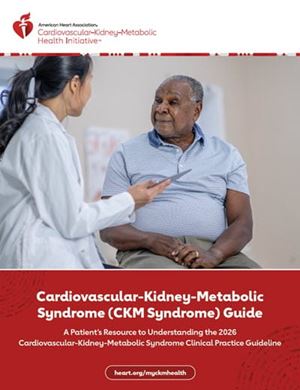
A healthcare professional can help you understand how heart, kidney and metabolic conditions can develop over time and how they are connected to the choices you make in health today.
Instead of looking at each condition separately, this framework looks at the bigger picture, helping guide more connected and supportive care.
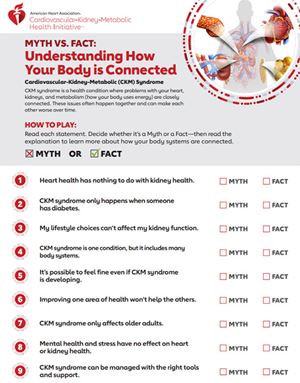
Myth vs Fact: Understanding How Your Body is Connected (PDF)
CKM Syndrome Stages
Stage 0 refers to people who do not have CKM syndrome. This stage is used to represent good CKM health. The focus of this stage is to stay healthy and preventing the development of CKM syndrome.
Stage 1 includes people with excess weight (measured by waist circumference or body mass index or BMI), those with insulin resistance, or prediabetes – meaning the body is starting to have problems regulating blood sugar.
Stage 2 includes any of the following conditions:
- High blood pressure
- High triglycerides
- Type 2 diabetes
- Metabolic syndrome
- Chronic kidney disease
These conditions place added stress on blood vessels, which can result in damage to the kidneys, heart muscle and other organs.
Stage 3 is determined by specific health tests or imaging that may be used to check for damage to the heart, kidneys and blood vessels. If damage is found, or risk is high, even if you don’t have symptoms, you may be in Stage 3.
Stage 4 is the most serious stage. It includes people with CKM risk factors who have been diagnosed with cardiovascular disease (coronary heart disease, heart failure, atrial fibrillation, stroke, peripheral artery disease) and may also have kidney failure. People in this stage may have symptoms such as chest pain, shortness of breath, weakness, leg pain, swelling or slow wound healing.
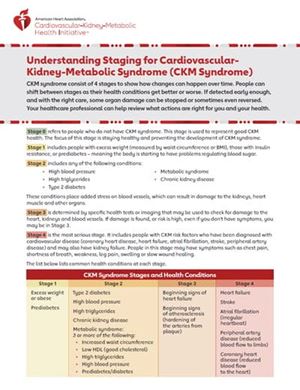
Understanding Staging for CKM Syndrome (PDF)
Why Healthcare Professionals Use the CKM Syndrome Framework
This approach helps healthcare professionals see patterns and better understand how different health factors work together. It can help guide care that looks at the whole person, not just one condition that is specific to you.
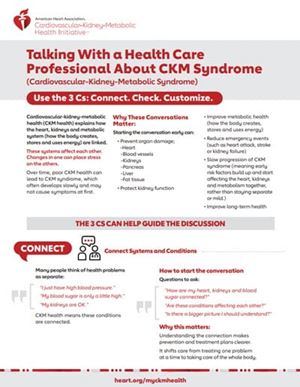
Talking With a Healthcare Professional About CKM Syndrome (PDF)
Why Early Detection Matters
For cardiovascular-kidney-metabolic health (CKM health), regular screenings help you and your healthcare professional understand what’s happening in your body, before symptoms appear. These check-ins can support early detection and help guide steps to slow or prevent progression.
Here are the most common screenings for adults and what they look for:
Blood Pressure Check
- What it shows: How hard your heart is working to move blood
- Why it matters: High blood pressure can affect the heart and kidneys over time
Blood Glucose (Sugar) Testing (Glucose or A1C) — Blood test
- What it shows: How your body is managing blood sugar
- Why it matters: Elevated blood sugar can impact blood vessels, kidneys and heart health
Cholesterol Panel (Lipid Panel) — Blood test
- What it shows: Levels of cholesterol and fats in your blood
- Why it matters: Imbalances can increase risk of heart disease
Kidney Function Tests
- Blood test (eGFR): Shows how well your kidneys filter blood
- Urine test (UACR): Checks for protein in urine, an early sign of kidney stress
- Why it matters: Kidney changes can happen early without symptoms
Weight and Body Measurements
- What it shows: Body weight and waist circumference
- Why it matters: Helps understand metabolic health and overall risk
Lifestyle and Health History Review
- What it includes: Activity level, nutrition, sleep, stress, family history
- Why it matters: These factors shape CKM risk and help guide next steps
How to think about screenings
- These screenings aren’t about finding problems. They’re about understanding your health early so you can make informed choices.
- Even if you don’t have access to every test, starting with basic checkups and conversations with a healthcare professional is a meaningful step. Over time, these small check-ins can help you stay on track and adjust your care as needed.
Health Conditions That Affect CKM Syndrome Risk
There are some health conditions that can affect the development or progression of CKM syndrome or might affect the type of treatment a person needs.
This includes:
- Chronic inflammation or certain autoimmune conditions
- Sleep disorders such as obstructive sleep apnea (OSA)
- Mental health conditions that include depression and anxiety
- Reproductive health factors for both women and men
- A liver condition called metabolic-dysfunction associated steatotic liver disease (MASLD)
In addition to these conditions, having a family history of diabetes or kidney failure, belonging to certain demographic groups, or having worse social determinants of health, can raise the chances of development or progression of CKM syndrome.
Health Conditions That Affect CKM Syndrome Treatment
There are some health conditions that affect what types of treatments are safe and effective if you have CKM syndrome.
This includes:
- Pregnancy
- Heart failure
- Advanced chronic kidney disease


